
Austin's Movement from Silence to Advocacy
I'm Still HereThis flow follows Austin's changing response to racism, from privately enduring it to speaking, organizing, and setting limits.
increasing Bearing strength in each event
 decreasing
Bearing strength in each eventdecreasingA Childhood Retort

A Childhood Retort
A racial insult
A classmate uses a racist slur against Austin after making a taunting reference to monkeys and bananas. The moment abruptly replaces ordinary school routine with an attack on her identity.
Anger without a script
Austin does not remember her exact reply, but she knows she answered forcefully enough that the boy did not repeat the insult. Her parents had not given her a formal lesson for this precise moment, yet she recognizes that her anger is justified.
Speaking Through Schoolwork
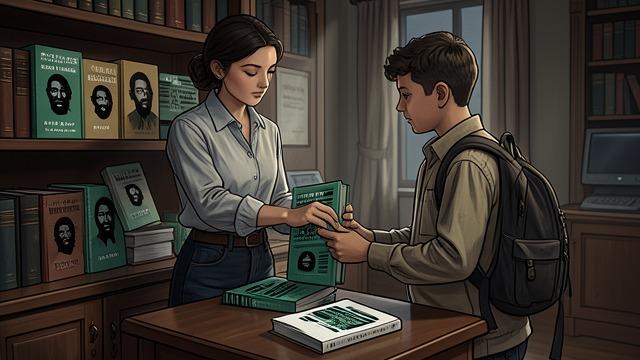
Speaking Through Schoolwork
Small acts of resistance
Austin chooses Black authors and Black history for assignments, refusing to let a white-centered curriculum define every subject. At times she adds a truthful qualification to claims presented as neutral history.
A measured risk
She knows that telling the truth may cost her a grade, but she also takes satisfaction in challenging teachers' assumptions. Speaking up begins as a series of careful academic decisions.
A Journey That Changes Her
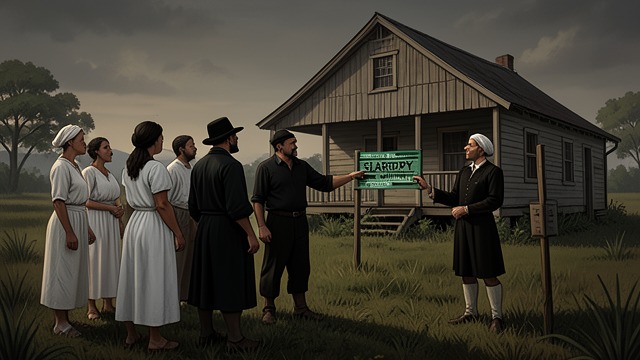
A Journey That Changes Her
History made physical
On the Sankofa trip, Austin visits a plantation where guides romanticize slavery, then a museum documenting lynching. The visits make distant history feel immediate and embodied.
A commitment voiced
Conversations on the bus expose the gap between white students' defensive responses and Black students' grief and anger. A white student's promise to act helps crystallize Austin's own conviction that doing nothing is no longer acceptable.
Learning to Teach the System
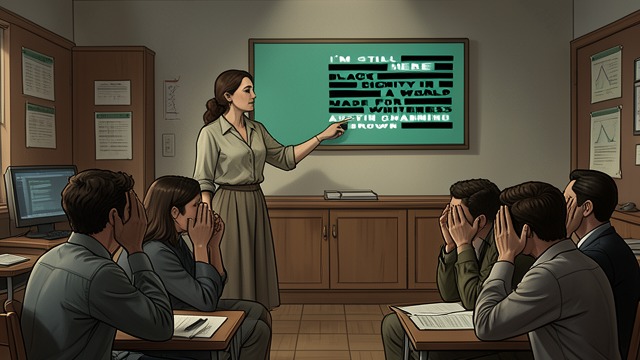
Learning to Teach the System
Early advocacy
Austin helps press her college to hire and retain Black faculty and staff, attends race-related events, and creates spaces for shared worship. She begins to use her voice rather than quietly observing racism.
A misplaced center
Much of her work still revolves around educating white people and making racial justice legible to them. Austin later recognizes that the effort can make Black lives feel secondary even inside programs devoted to reconciliation.
A Voice on Her Own Terms
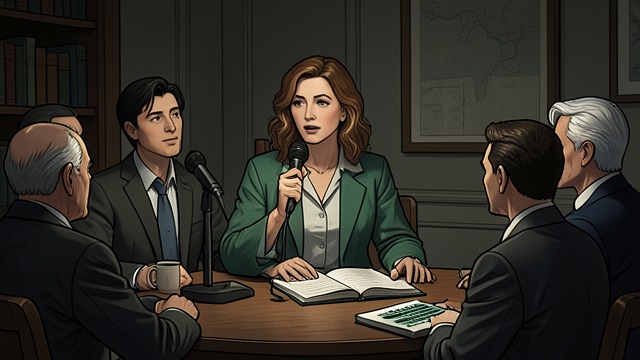
A Voice on Her Own Terms
Boundaries in practice
After years of being asked to educate, soothe, and explain, Austin begins to speak strategically without accepting responsibility for changing an entire organization. She can offer ideas while leaving their implementation to those in power.
Work without permission
Writing and speaking become acts of service, not bids for white approval. Her advocacy remains challenging, but it is no longer measured only by whether white listeners respond comfortably.
In fourth grade
During Austin's high-school years
During Austin's freshman year of college
During Austin's college years after the Sankofa trip
By the later stages of Austin's career
